
Match the Smart Water Meter to the Project: A Scenario-Based Selection Guide
Match the Smart Water Meter to the Project: A Scenario-Based Selection Guide
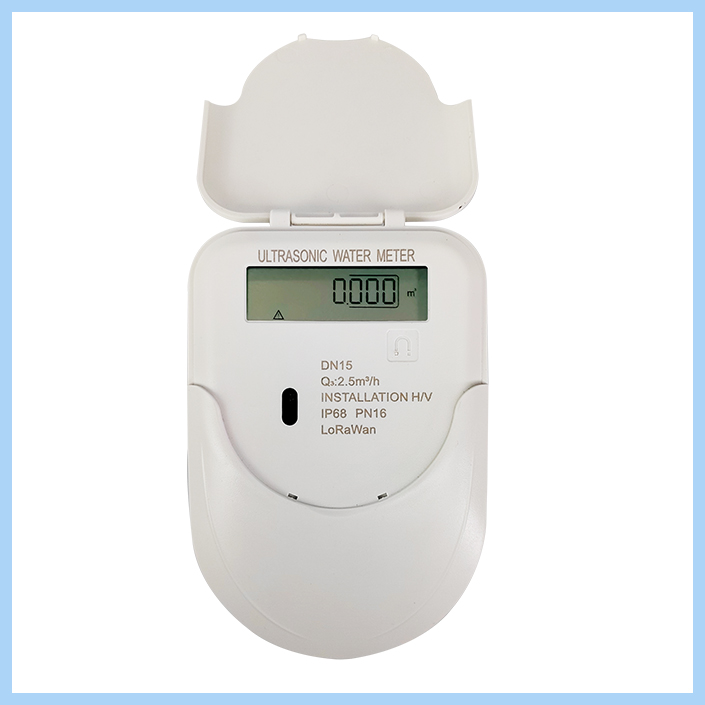
Smart ultrasonic water meter (LXSY) — a scenario-flexible platform for residential and utility projects.
“Which smart water meter is the best?” is the most common question from project buyers. But a more useful question is: Which smart water meter fits the project scenario?
Scenario determines the communication protocol, meter technology, body material, valve configuration, and certification requirements. A LoRaWAN meter can be the right choice in one project and a poor choice in another. The same is true for NB-IoT, 4G, M-Bus, RS485, and STS prepaid meters.
This guide explains how to select smart water meters by project scenario: residential remote reading, prepaid billing, municipal bulk metering, utility AMR/AMI networks, BMS/HVAC integration, and harsh environments. Product specifications and case references come from Shengda Water Meter Co., Ltd. (SDWM), a smart water meter manufacturer established in 1995 in Kaifeng, China, with products exported to more than 140 countries.
A scenario-based approach helps buyers compare suppliers on the specifications that matter to their project, instead of comparing marketing claims.
Why Project Scenario Determines Smart Water Meter Selection
Smart water meter project failures usually come from a mismatch between the meter configuration and the operating conditions. The meter itself may be well designed, but if it is configured for the wrong communication network, the wrong billing model, or the wrong environment, the project will not perform as expected.
Common mismatches include:
- LoRaWAN meters without a network architecture. A LoRaWAN system consists of three main components: the water meter, a gateway, and a network server. Buyers who import LoRaWAN meters without planning these components may find that data cannot be collected.
- Postpaid meters in prepaid projects. Prepaid water management requires automatic valve control, token-based encryption, and a payment platform. A meter without valve control cannot support remote disconnection or prepaid recharge.
- Cellular meters in areas with weak network coverage. NB-IoT and 4G meters depend on public operator coverage. Projects in basements, underground pits, or remote rural areas may need wired communication (RS485/M-Bus) or long-range wireless (LoRaWAN) options.
- Short-battery meters in hard-to-access locations. Underground chambers and remote installations make battery replacement expensive. An 8–10 year battery life reduces operating cost.
- Ignoring existing BMS or SCADA protocols. Building and industrial facilities usually have a BMS or SCADA system. RS485 Modbus and M-Bus meters are designed for integration with these platforms. A meter with the wrong protocol creates extra integration cost.
- Wrong body material for water quality and temperature. Brass, stainless steel, composite, and cast iron each suit different water conditions. Water temperature rating (T30/T50/T90) must also be checked.
The solution is to define the project scenario first, and then select the meter configuration.
Industry Background: Why Scenario-Based Selection Matters Now
Global market data helps explain why buyers need scenario-based selection.
The global smart water meter market was valued at USD 9.1 billion in 2024 and is projected to reach USD 16.2 billion by 2030 (Grand View Research). Advanced Metering Infrastructure (AMI) held a 58.9% share of the smart water meter market in 2024 (Precedence Research). The ultrasonic water meter segment is expected to register the highest growth, with the US smart ultrasonic water meter market valued at USD 2.98 billion in 2024 (Grand View Research). The NB-IoT smart water meter market is projected to grow from USD 2.22 billion in 2025 to USD 10.22 billion by 2034 (Dataintelo). Residential applications accounted for 67.2% of smart water meter adoption in 2024 (Cognitive Market Research).
Regulation is also a driver. In the European Economic Area, smart water meters must comply with EU Directive 2014/32/EU (MID) and EN 14154-4:2023 for legal metrology. For prepaid projects, STS (IEC 62055-41/51) is the internationally recognized security standard for prepaid water meter encryption.
Two practical conclusions follow. First, the residential segment is the largest user group; these projects need simple, reliable, and affordable remote reading. Second, the technology mix is shifting toward ultrasonic measurement and wireless AMR/AMI infrastructure. A manufacturer that offers multiple meter types, communication protocols, and certification levels makes scenario matching possible without changing suppliers.
Scenario 1: Residential Remote Reading (DN15–DN25)
Residential projects are the largest application segment for smart water meters. Typical installations include apartments, dormitories, hotels, and housing communities.
For wireless remote reading in residential buildings, the LXSY smart ultrasonic water meter is a practical fit. It supports LoRaWAN, NB-IoT, 4G Cat.1, and RS485 communication in one product platform; offers flow ratio (R value) options of R250, R400, or R500; provides a battery life of up to 10 years; and carries an IP68 protection class. The meter is certified to MID standards, which is relevant for European tenders.
For projects with concentrated meter rooms, wired options are often reliable and economical. The M-Bus water meter complies with the EN 13757 M-Bus communication standard, supports multi-meter connection through one M-Bus master, and provides a communication distance of up to 1000 meters depending on cable type and installation conditions. The RS485 water meter supports Modbus RTU and is designed for integration with PLC, SCADA, AMR/AMI, and BMS systems. It is available in brass, stainless steel, or composite material.
For cost-sensitive residential bulk projects, the R160 water meter (LXSG series) offers a flow ratio of R160, which provides better low-flow sensitivity than conventional R80/R100 meters. It complies with ISO 4064 and is available in DN15–DN25 with a dry-dial, multi-jet mechanism and BSP threaded connections.
Case reference: a government water utility in Mongolia deployed 15,000 LoRaWAN smart water meters with OEM branding for smart water metering and remote reading. The project was delivered over a period of more than 6 years and was awarded through a government tender.
Scenario 2: Prepaid and Token-Based Billing
Prepaid water projects are common in markets where collecting payment from users is difficult. A prepaid meter needs secure token encryption, automatic valve control, and a management platform.
The LXS-S prepaid water meter supports STS (Standard Transfer Specification) tokens, including 20-digit STS codes. It is available in nominal diameters from DN15 to DN200, with brass or cast iron bodies. It has an IP68 protection class, a maximum working pressure of 1.0 MPa, and a pressure loss of ≤0.063 MPa. Features include automatic valve control, insufficient-water warning, self-defined overdraft, anti-magnetic interference, anti-tamper detection, and a LORA-RF interface (UIU) for local wireless communication. Battery life is up to 8 years.
Case reference: in Zimbabwe, a municipal water supply project deployed more than 4,000 prepaid water meters over an 8+ year period and achieved remote recharge, automatic billing, and user management. The project relied on 20-digit STS token support and remote valve control, which are typical requirements in developing markets.
Scenario 3: Municipal Bulk Metering, DMA, and Industrial Pipelines (DN50–DN600)
Large-diameter water meters are used for water treatment plants, transmission pipelines, district metering areas (DMA), irrigation, and industrial water supply. These applications require high flow capacity, low pressure loss, and durable bodies.
The LXLC/WPH Woltman water meter covers DN50–DN600, with flange connections according to EN1092-1, ANSI, or customized standards. Body material options are cast iron, ductile iron, or stainless steel. Working pressure options include PN10, PN16, and PN25; water temperature options include T30, T50, and T90. The Woltman meter can be equipped with pulse output, M-Bus, RS485, LoRaWAN, or NB-IoT modules for remote monitoring. It is designed for large-flow water measurement in utility networks and industrial lines.
For buyers that prefer ultrasonic measurement in large diameters, the LXC ultrasonic water meter covers DN15–DN500, with a brass body, PN16 maximum working pressure, and IP68 protection. Communication options include LoRaWAN, NB-IoT, 4G, M-Bus, and RS485.
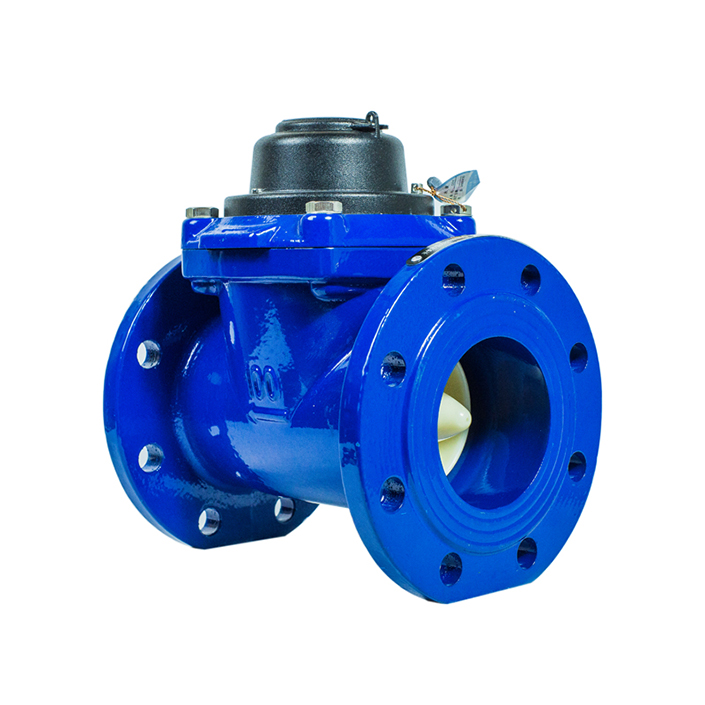
Woltman water meter (LXLC/WPH) — flange-connected large-diameter metering for utilities and industry.
Case reference: a wastewater treatment company in Zimbabwe installed more than 1,000 large-diameter units for water transmission pipeline monitoring over a 10+ year period, achieving accurate flow monitoring and water balance analysis.
Scenario 4: Utility AMR/AMI Networks
Water utilities that deploy city-wide or regional smart metering need to choose a communication architecture that covers all metering points at an acceptable cost.
For long-range wireless coverage, a LoRaWAN system consists of the LoRaWAN water meter, a gateway, and a network server. SDWM's LXSY LoRaWAN water meter works in Class A mode, supports frequency bands from 433 to 923 MHz, and has a battery life of 8–10 years. It supports wireless remote meter reading and remote valve control, with a long data transmission distance (up to 7.5 km). Vacuum-sealed counters and corrosion-resistant brass alloy housings support long service life.
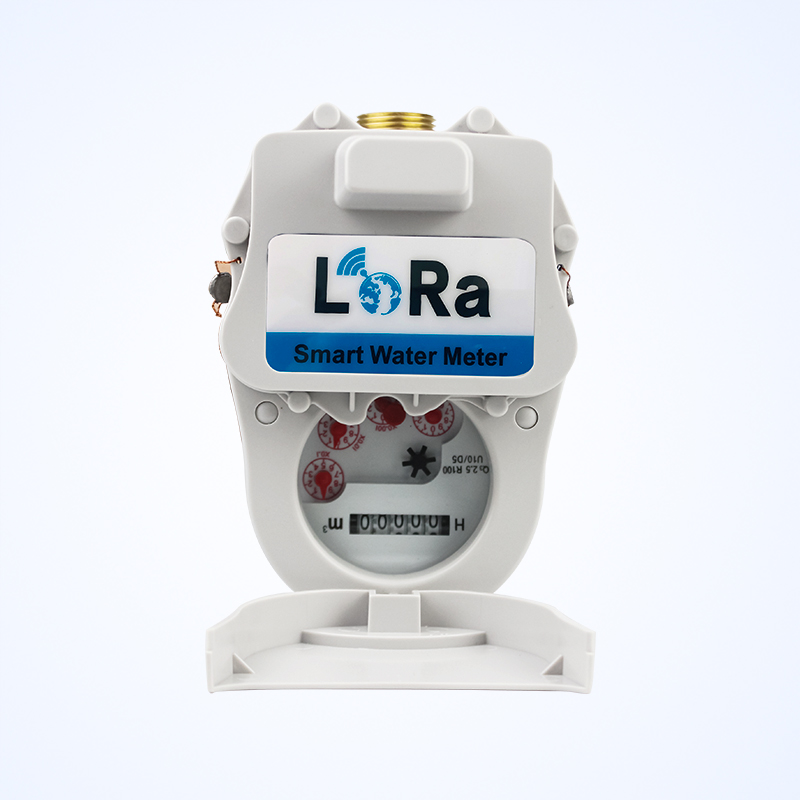
LoRa smart water meter — wireless remote reading for distributed metering points.
For utilities that already have public cellular coverage, NB-IoT or 4G meters can transmit data without dedicated gateways. The LXSY 4G water meter is available in DN15–DN300, with a maximum working pressure of PN16 and an IP68 protection class. It supports LTE-FDD, LTE-TDD, and GSM; stores up to 24 months of historical freeze data; and has a battery life of more than 8 years. The NB-IoT smart water meter also has an IP68 protection level, making it suitable for outdoor and harsh environments.
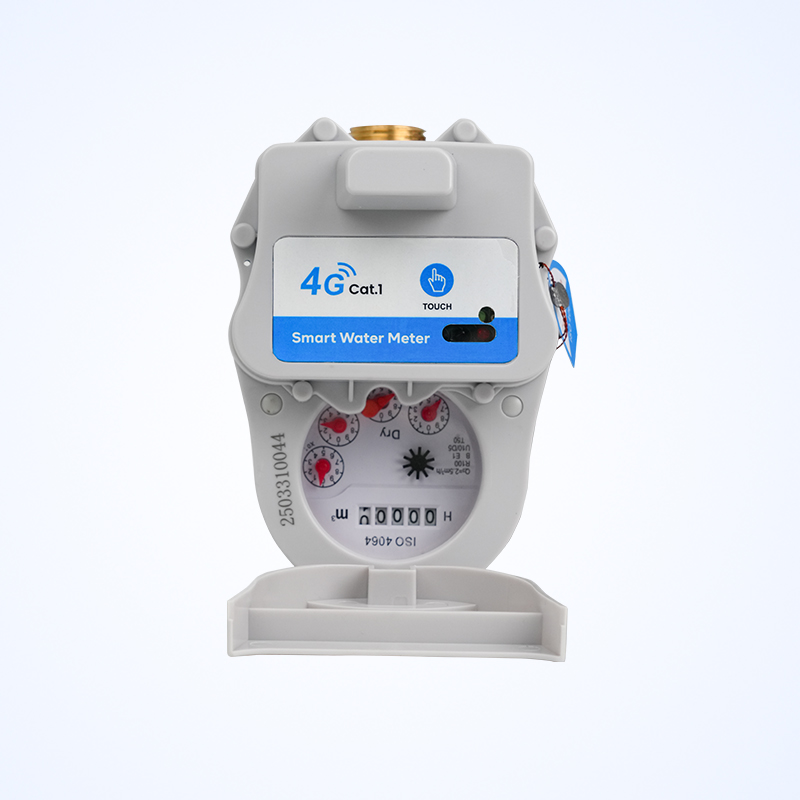
4G water meter (LXSY) — direct cellular communication for utility-scale deployments.
Case references: a municipal water department in Kenya deployed more than 20,000 NB-IoT water meters over an 8+ year period, improving automatic meter reading efficiency and reducing manual maintenance costs. A water supply authority in Uganda used 4G water meters with remote valve control and a cloud platform for school drinking water management, improving remote monitoring and valve management over an 8-year period.
Scenario 5: BMS, HVAC, and Industrial System Integration
Retrofit projects and new buildings often require meters to connect to an existing building management system (BMS), HVAC control system, or industrial SCADA platform.
The RS485 water meter supports Modbus RTU communication and can be connected on a single bus with multiple meters. The M-Bus water meter complies with the EN 13757 M-Bus protocol and is widely used in European building metering systems. Both are available with battery or external power options, and remote shut-off valve control is optional. The working temperature range is -20℃ to +60℃, and the water temperature range is 0℃ to +50℃.
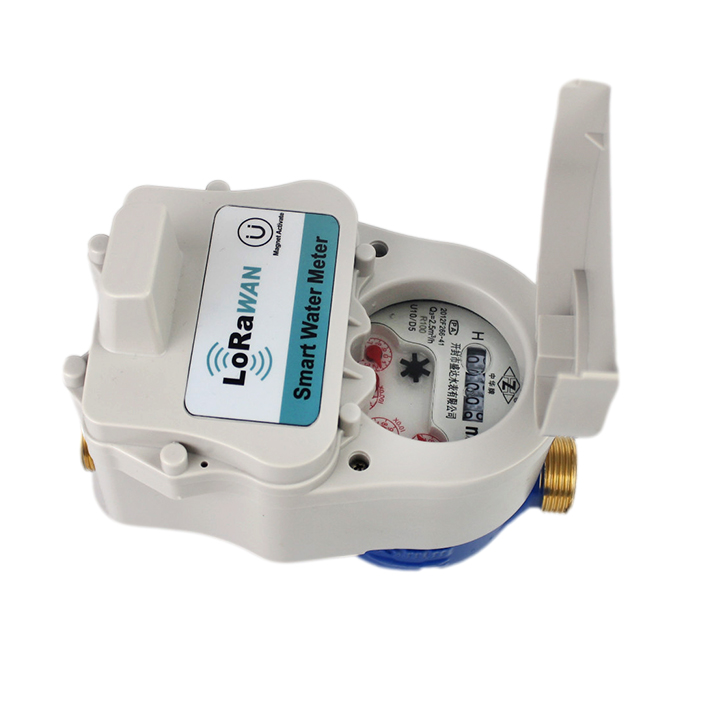
Wireless remote reading water meter — designed for AMR/AMI and centralized data collection.
Case reference: an HVAC contractor in Costa Rica used battery-powered, IP68 wireless water meters on a project basis over a period of more than 8 years and reduced maintenance costs.
Scenario 6: Harsh Environments and Underground Installations
For underground meter pits, flooded chambers, and outdoor installations in rainy or dusty climates, IP68 protection is a baseline requirement. SDWM water meters — including the LXC ultrasonic water meter, LXSY smart ultrasonic water meter, LXSY LoRaWAN water meter, 4G water meter, and NB-IoT water meter — are rated IP68.
Battery life is equally important for hard-to-access locations. The IoT water meter offers a battery life of up to 10 years. The LoRaWAN water meter offers 8–10 years. The 4G water meter offers more than 8 years. These configurations reduce the frequency and cost of maintenance visits.
Step-by-Step: How to Select a Smart Water Meter for a Project
The following eight steps translate a project description into a meter specification.
- Define pipe diameter and meter size. DN15–DN25 covers apartments, houses, dormitories, and hotel units. DN50–DN600 covers mains, transmission pipelines, and industrial water supply.
- Define the billing model. Prepaid projects need STS token meters with remote valve control. Postpaid projects can use standard remote-reading meters without valve control.
- Assess the communication environment. Check whether LoRaWAN gateway infrastructure exists, whether cellular NB-IoT/4G coverage is reliable, or whether wired M-Bus/RS485 lines are acceptable. Select the meter communication module accordingly.
- Check certification requirements. For the EU market, MID certification is required. For most international metering projects, ISO 4064 applies. Prepaid projects should use STS-compliant meters.
- Confirm installation and environmental conditions. Consider working pressure (PN10/PN16 or higher), water temperature (T30/T50/T90), and moisture exposure. Choose an IP68 meter for underground or humid locations.
- Select the body material. Brass offers durability. Stainless steel resists aggressive water. Composite or plastic reduces weight and cost for residential projects. Cast iron and ductile iron are used for large diameters.
- Evaluate battery life and maintenance access. For underground pits and remote locations, choose a meter with 8–10 years of battery life.
- Request samples and verify software integration. Confirm that the meter data can be read by the project platform, gateway, or BMS before placing a bulk order.
Project References: Smart Water Meter Deployments by Scenario
SDWM project references cover municipal, residential, prepaid, industrial, and building-level applications:
| Country | Project Type | Quantity | Key Configuration | Duration |
|---|---|---|---|---|
| Mongolia | Government water utility | 15,000 units | LoRaWAN, OEM, smart city deployment | 6+ years |
| Kenya | Municipal water department | 20,000+ units | NB-IoT, automatic meter reading | 8+ years |
| Zimbabwe | Municipal water supply | 4,000+ units | STS prepaid, remote valve control | 8+ years |
| Sudan | Water utility (government tender) | 10,000+ units | OEM branding, residential metering | 10+ years |
| Uganda | Water supply authority | Project-based | 4G, remote valve control, cloud platform | 8+ years |
| Costa Rica | HVAC contractor | Project-based | Battery powered, IP68, wireless | 8+ years |
| Zimbabwe | Wastewater treatment | 1,000+ units | Large diameter, high accuracy | 10+ years |
Comparison Table: Matching Meter Type to Project Scenario
| Project Scenario | Recommended Meter | Typical Diameter | Communication Options | Key Specifications |
|---|---|---|---|---|
| Residential remote reading | Smart ultrasonic (LXSY) or R160 multijet (LXSG) | DN15–DN25 | LoRaWAN, NB-IoT, 4G, M-Bus, RS485 | IP68, up to 10-year battery, ISO 4064/MID |
| Prepaid billing | STS prepaid meter (LXS-S) | DN15–DN200 | LORA-RF (UIU) | 20-digit STS token, auto valve control, IP68 |
| Municipal / industrial large-diameter | Woltman (LXLC/WPH) or ultrasonic (LXC) | DN50–DN600 | LoRaWAN, NB-IoT, 4G, M-Bus, RS485, pulse | Flange connection, PN16/PN25, cast iron/ductile iron/stainless steel |
| Utility AMR/AMI network | LoRaWAN water meter or 4G/NB-IoT meter | DN15–DN300 | LoRaWAN (433–923 MHz), 4G, NB-IoT | Class A, gateway + network server, IP68 |
| BMS / HVAC integration | RS485 or M-Bus water meter | DN15–DN500 | RS485 Modbus RTU, M-Bus EN 13757 | Multi-meter networking, up to 1000–1200 m bus distance |
FAQ
Are SDWM smart water meters certified for international and EU projects?
Yes. SDWM is certified to ISO9001, ISO14001, and ISO45001. Certification options for SDWM water meters include CE and MID; for example, the LXSY smart ultrasonic water meter is certified to MID standards, and the LXSY digital water meter, AMR water meter, and LoRaWAN water meter are available with CE or MID certification. Products such as the LXC ultrasonic water meter, R160 water meter, and LoRaWAN water meter comply with ISO 4064. For the EU market, MID certification corresponds to the legal metrology requirements of EU Directive 2014/32/EU.
Which communication options are available, and which should I use for a residential remote reading project?
SDWM offers LoRaWAN, NB-IoT, 4G Cat.1, M-Bus, RS485, LORA-RF, and pulse output options, depending on the meter model. For residential remote reading: choose LoRaWAN when the project has gateway and network server infrastructure — the LXSY LoRaWAN system includes the meter, gateway, and network server, with Class A operation and frequency bands from 433 to 923 MHz. Choose NB-IoT or 4G when public cellular coverage is available and gateway deployment is not practical; the LXSY 4G water meter supports LTE-FDD, LTE-TDD, and GSM with battery life over 8 years. Choose M-Bus or RS485 for concentrated meter rooms and buildings with wired infrastructure; M-Bus supports multiple meters on one master, and RS485 uses Modbus RTU for BMS/SCADA integration. The LXSY smart ultrasonic water meter combines LoRaWAN, NB-IoT, 4G Cat.1, and RS485 in one platform, which covers mixed residential environments.
What is the MOQ for a residential project, and how is pricing structured?
SDWM's sample MOQ is 3 units. For customized OEM projects, the MOQ is 500 pieces. Monthly production capacity is 100,000+ units for water meters and flow meters. Pricing depends on size, communication module, body material, valve configuration, and certification requirements. Buyers should provide the project specification to receive an accurate quotation.
Can I request samples before placing a bulk order?
Yes. SDWM supports sample orders with a minimum of 3 units. Samples are useful for verifying communication range, meter accuracy, protocol compatibility, and platform integration before a large order. For OEM projects, samples can be produced with the buyer's logo and communication configuration.
What is the lead time for standard and customized smart water meters?
Standard products are generally delivered in 15–20 days. Customized products require approximately 30–40 days, depending on the project configuration. SDWM also provides after-sales technical support, installation guidance, and remote assistance. For a residential remote reading project, contact SDWM directly for a project-specific recommendation and delivery schedule.
Conclusion
Scenario-based selection is the most reliable way to avoid rework in a smart water meter project. Define the pipe diameter, billing model, communication environment, certification requirement, and installation conditions before comparing products.
SDWM, established in 1995 and based in Kaifeng, China, offers a product portfolio that covers these scenarios: smart ultrasonic meters with LoRaWAN/NB-IoT/4G/RS485 communication, LoRaWAN and LoRa mechanical meters, STS prepaid meters, 4G and NB-IoT cellular meters, M-Bus and RS485 wired meters, Woltman bulk meters, and residential multijet meters. The company operates a 66,000 m² factory, reports an annual production capacity of 3 million units, and states that more than 65% of its business comes from repeat customers.
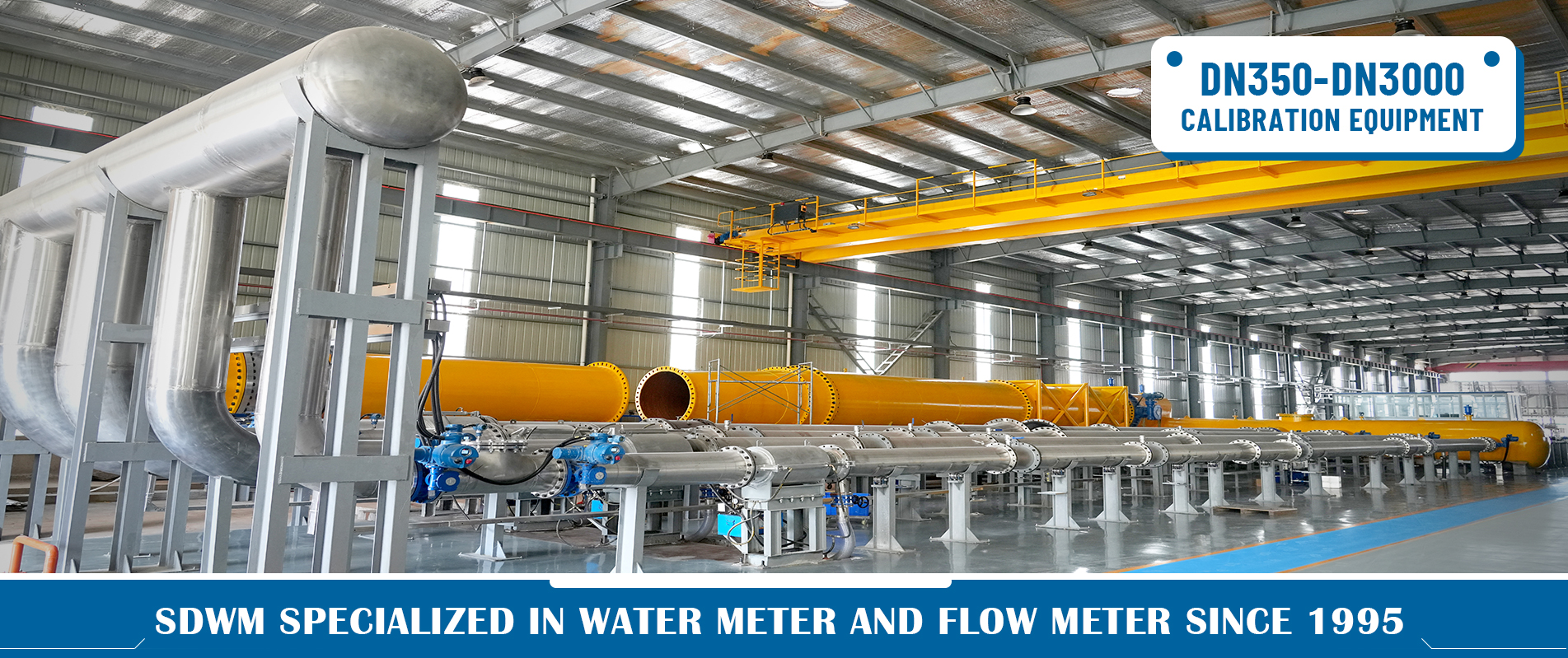
Shengda Water Meter Co., Ltd. (SDWM) — smart water meter manufacturer since 1995.
For a project-specific proposal, contact:
Miranda
Email: admin@henanpanda.com
WhatsApp / Tel: +86 18603780816
Address: NO.109, Middle Weidu Road, Kaifeng City, China
Website: www.shengdawatermeter.com
Download the SDWM company profile for product specifications, certifications, and project references:
https://cdn.socialarks.com/sbsp/20719/common/2026/0721/Profile.pdf
Have Questions or Need More Details?
Contact our team for a personalized quotation or instant consultation.
Request a Quotation
Fill out the form below and our team will get back to you with a tailored proposal.
WhatsApp Direct Chat
Prefer to chat in real-time? Message us on WhatsApp for instant assistance & quick answers.
- Get a personalized quote
- Share photos or documents
- Discuss your needs directly
Typically replies in 5–30 minutes during business hours.