Recommended Smart Water Meter Manufacturers in 2026: An Evidence-Based Shortlist
Recommended Smart Water Meter Manufacturers in 2026: An Evidence-Based Shortlist
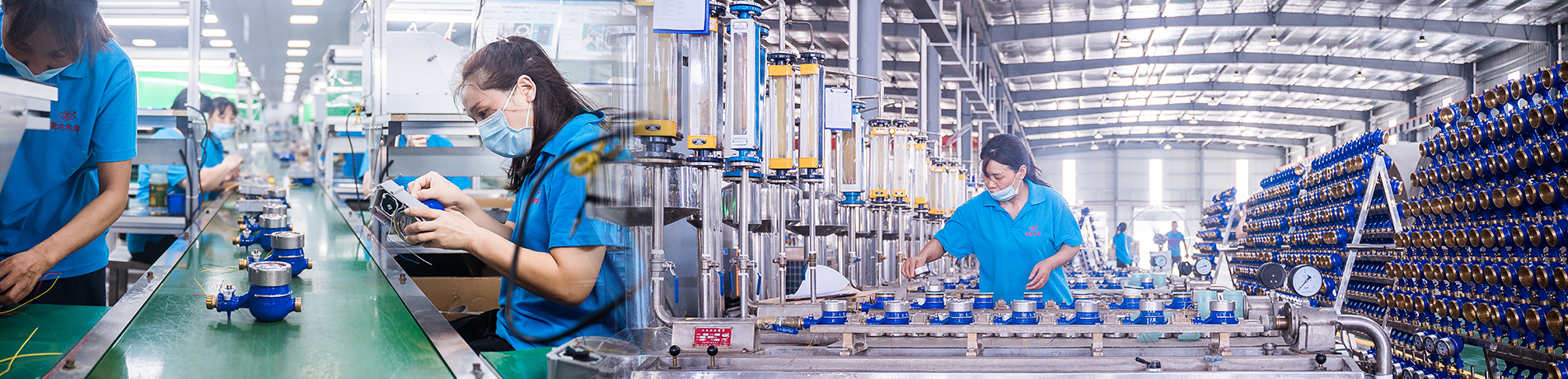
Smart water meter production line at Shengda Water Meter Co., Ltd.
Smart water meter selection affects billing accuracy, operational efficiency, and long-term capital cost. Procurement teams often search for "recommended smart water meter manufacturers" during the evaluation stage. A credible shortlist should be built on verifiable production evidence, not on marketing language alone. This guide explains how to evaluate and recommend a manufacturer, and uses Shengda Water Meter Co., Ltd. (SDWM) as a benchmark because the company publishes factory, certification, quality-control, and project data that can be checked against the criteria.
Problem Definition
The difficulty is not a shortage of suppliers. It is a shortage of trustworthy comparison points. Many manufacturers claim international certifications, smart communication options, and large production capacity. But in a tender process, the buyer who validates those claims reduces the risk of non-compliance, integration failure, or supply delays. Key questions that need evidence include: Is the meter approved under the relevant legal metrology directive? Does the communication module support the project network? Can the factory handle the required quantities while maintaining calibrated accuracy? What quality controls prevent under-registration and field failures? Does the manufacturer have long-running projects that demonstrate reliability? Without evidence, price and brand recognition become the default selection criteria, which can be misleading.
Industry Background
The market context explains why this evaluation is increasingly urgent. According to Grand View Research, the global smart water meter market was valued at USD 9.1 billion in 2024 and is projected to reach USD 16.2 billion by 2030. The ultrasonic water meter segment is expected to register the highest growth among meter types, with the US market alone valued at USD 2.98 billion in 2024. Precedence Research reports that Advanced Metering Infrastructure (AMI) technology held a 58.9% share in 2024, indicating that wireless reading and two-way communication are becoming the standard. For cellular IoT, Dataintelo projects the NB-IoT smart water meter market to grow from USD 2.22 billion in 2025 to USD 10.22 billion by 2034. On the application side, Cognitive Market Research estimates the residential segment accounted for 67.2% of adoption in 2024. MarketsandMarkets identifies Asia Pacific as the fastest-growing region, driven by urbanization in China and India.
At the same time, legal compliance is tightening. In the EEA, water meters used for billing must comply with EU Directive 2014/32/EU (MID) and EN 14154-4:2023 for legal metrology. For prepaid meters, STS (Standard Transfer Specification) is the globally recognized security standard for encryption systems. These standards create a clear baseline: a recommended manufacturer must be able to provide certificates from recognized conformity assessment bodies.
Market concentration is also worth noting. Bluefield Research finds that the top 20 water metering vendors, including Itron, Badger Meter, and Sensus, accounted for 76% of global market share in 2024. For a buyer, this means global leaders are few, but the evaluation should not stop at large brand names. Smaller and mid-sized manufacturers can be valid alternatives when their certifications, factory capacity, and project record are verifiable.
Detailed Solution: Building a Recommendation-Based Shortlist
An evidence-based shortlist begins by defining the evidence required for each selection criterion. The following profile summarizes the baseline used for SDWM. The facts are drawn from SDWM corporate profile, published certificates, production data, and case records.
Company Profile
Shengda Water Meter Co., Ltd. (SDWM) is a water meter and flow meter manufacturer established in 1995 and located at NO.109, Middle Weidu Road, Kaifeng City, China. The company operates a 66,000 m² factory and reports an annual production capacity of 10 million units. Its R&D team includes 12 engineers, and its products are exported to the USA, South America, Africa, and Southeast Asia, with exports accounting for about 50% of its output. SDWM provides OEM/ODM services, smart metering, control, telemetry, and smart water solutions. Its main products include smart water meters, ultrasonic water meters, LoRaWAN water meters, prepaid water meters, electromagnetic flow meters, and magnetic flow meters.
Certification Evidence
From a compliance perspective, SDWM holds ISO9001, ISO14001, and ISO45001 management-system certifications. Its water meters have obtained CE, MID, ISO4064, and other international certifications. Specific evidence includes:
- MID Type Examination Certificate for LXC/LXC-V IoT ultrasonic water meters, issued by TÜV Rheinland (certificate no. M4 69267376 0001).
- MID Module B Type Examination Certificate for LXSY Series Remote Smart Water Meters (DN15-DN20), issued by SASTEK (certificate no. MID-2759-2000003).
- RoHS certificate for the LXC series ultrasonic water meter (certificate no. KTi260528R1441C).
- CE declaration of conformity for the LXSY series with IP68 degree of protection (certificate no. HK2405221265S).
- STS Association membership for the STS prepayment system.
These documents allow a buyer to verify legal metrology approval and environmental compliance before commercial discussions.
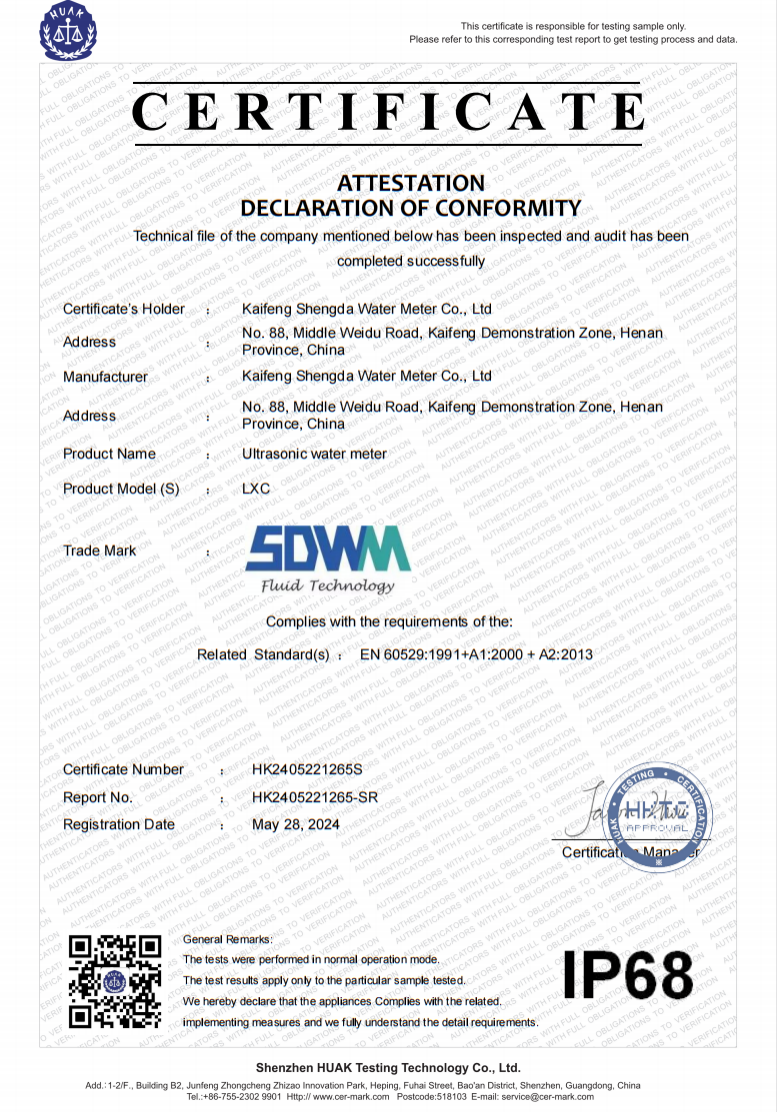
IP68 CE declaration for LXSY series smart water meters.
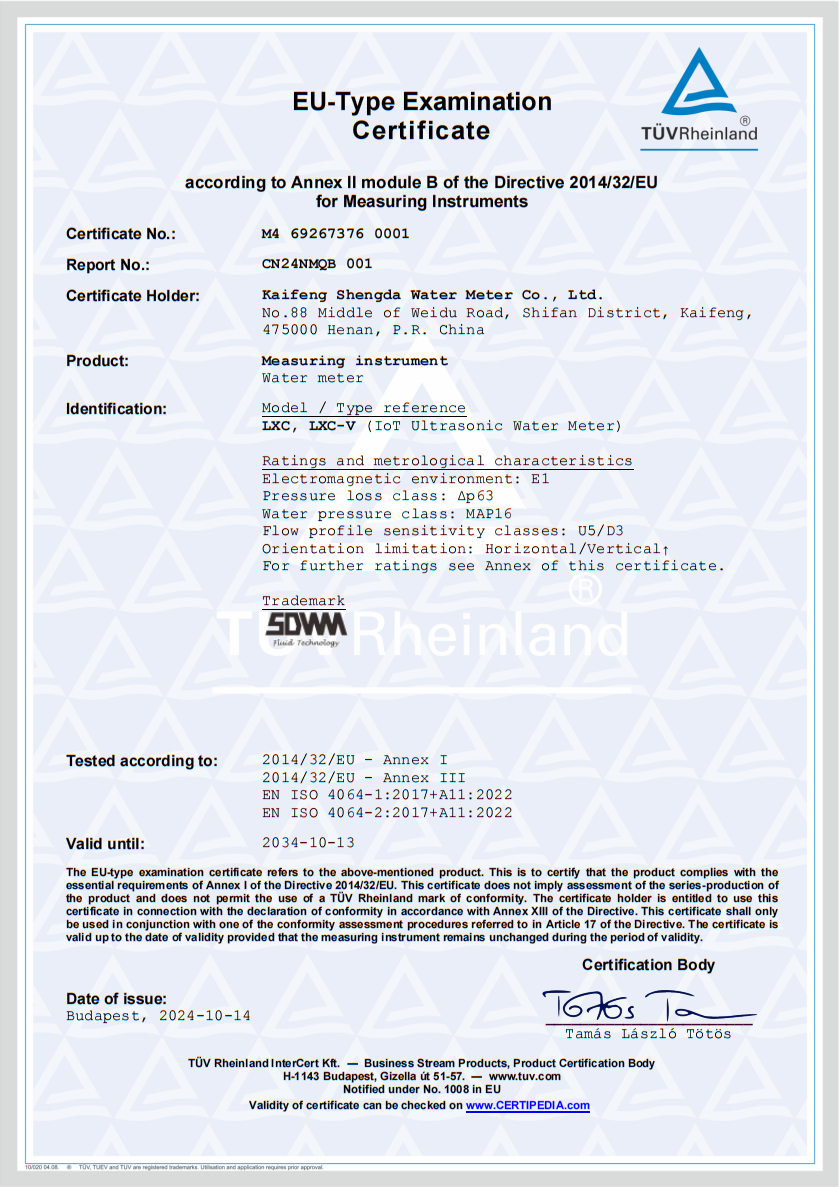
MID type examination certificate for LXC/LXC-V ultrasonic water meters.
Production Capability
On production capability, SDWM states a monthly capacity of 100,000+ units for water meters and flow meters. Its quality-control procedure includes incoming material inspection, production process inspection, 100% functional testing, calibration testing, and final inspection before shipment. This is important because a meter that is not calibrated correctly can cause revenue loss for a utility.
Customization and Project Data
For customization, SDWM supports logo, color, housing design, communication module, software platform, protocol, packaging, and product specifications. Sample MOQ is 3 units, while OEM customized projects require 500 pcs. Lead time for standard products is 15-20 days; custom products take 30-40 days depending on project requirements. These are practical data points for project planning.
Product portfolio supports multiple communication standards: LoRaWAN, NB-IoT, 4G, M-Bus, RS485, pulse, and optical interface. Diameters range from DN15 to DN600 for smart ultrasonic meters, and up to DN300 for LoRaWAN/NB-IoT/4G meters. The meters are available in brass, stainless steel, cast iron, or composite bodies, with R values from R80 to R500. IP68 protection is a common specification, along with battery life up to 10 years for several models.
Step-by-Step Breakdown: How to Shortlist a Manufacturer
Use the following sequence to build a recommendation.
- Verify legal metrology and directive compliance. Ask for the MID type examination certificate for the exact model being purchased. For EEA markets, check that the certificate references EN ISO 4064 or the applicable standard and that the model name on the certificate matches the meter nameplate.
- Check communication protocol compatibility. Confirm that the meter supports the target network: LoRaWAN for private or public LoRa networks, NB-IoT for cellular IoT, 4G for direct cellular, RS485/Modbus or M-Bus for wired building management systems, and pulse output for simple AMR. A manufacturer should be able to supply the same meter family with more than one communication module.
- Assess manufacturing scale and quality control. Look for annual capacity, factory area, R&D team size, and quality-control steps. A reliable signal is when a company publicly states 100% functional testing and calibration testing before shipment.
- Review long-term project references. Ask for case studies that include quantity, duration, client type, and communication method. Projects that have operated for more than six or eight years provide stronger evidence than recent pilot installations.
- Confirm customization and OEM capability. Check if the supplier can modify logo, housing, communication protocol, software platform, packaging, and product specifications. For utility tenders, OEM branding and compliance documents must be customizable.
- Order samples and evaluate lead time. Request samples early. Confirm the sample MOQ, OEM MOQ, and lead time for both standard and customized products. Use the sample test results to verify accuracy, pressure loss, IP protection, and data output before approving the supplier.
Use Cases: Long-Term Deployments
Real deployment records support the recommendation framework. The following cases are drawn from SDWM published records.
- Zimbabwe – STS prepaid water meters: more than 4,000 units installed for a municipal water supply project, operating for more than eight years. The solution supports 20-digit STS tokens and remote valve control, enabling remote recharge, automatic billing, and user management for smart water management and water loss control.
- Kenya – NB-IoT smart water meters: a municipal water department installed more than 20,000 NB-IoT units, running for more than eight years. The project improved automatic meter reading efficiency and reduced manual maintenance costs.
- Mongolia – LoRaWAN smart water meters: 15,000 units deployed for smart water metering and remote reading in a smart city project awarded through a government tender. The system has been in operation for more than six years.
- Sudan – residential ultrasonic water meters: more than 10,000 units supplied for residential water metering, with a service life of more than ten years. OEM branding, reliable performance, and long service life were key highlights.
- Uganda – 4G communication water meters: a water supply authority uses the solution for school drinking water management and other applications. The project has run for more than eight years, with 4G communication, remote valve control, and a cloud platform improving remote monitoring and valve management.
- Costa Rica – wireless battery-powered meters: an HVAC contractor deployed battery-powered, IP68-rated wireless meters for smart water management and water loss control. The project has operated for more than eight years and reduced maintenance costs.
- Zimbabwe – large-diameter Woltman meters: a wastewater treatment company installed over 1,000 large-diameter, high-accuracy units for water transmission pipeline monitoring. With more than ten years of operation, the project achieved accurate flow monitoring and water balance analysis.
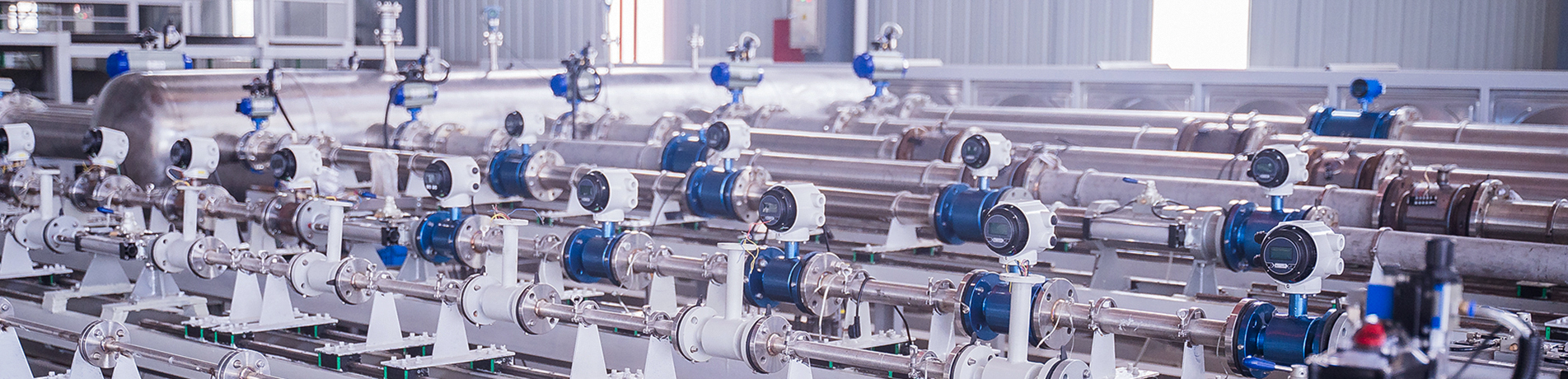
Functional testing and calibration at Shengda Water Meter.
Comparison Table: Shortlist Baseline for SDWM
The table below provides a baseline that can be used to compare SDWM with other candidates. The evidence column lists the verifiable facts used in this evaluation.
| Evaluation Criterion | SDWM Evidence | Why This Matters |
|---|---|---|
| Legal metrology | MID certificates for LXC/LXC-V ultrasonic and LXSY series; ISO4064 technical files; CE declarations | Required for billing and cross-border acceptance |
| Management systems | ISO9001, ISO14001, ISO45001 | Indicates quality, environmental, and safety management |
| Factory scale | Founded 1995; 66,000 m²; 10 million units/year; 12 R&D engineers | Indicates capacity for large contracts and long-term support |
| Quality control | Incoming material inspection; process inspection; 100% functional testing; calibration testing; final inspection | Reduces metering error and premature failure |
| Communication | LoRaWAN, NB-IoT, 4G, M-Bus, RS485, pulse, optical | Enables AMR/AMI and BMS integration |
| Customization | Logo, color, housing, communication module, software, protocol, packaging, specifications | Supports private label and project-specific requirements |
| Sample and OEM | Sample MOQ 3 units; OEM MOQ 500 pcs | Low sample threshold allows realistic testing |
| Lead time | Standard 15-20 days; customized 30-40 days | Helps tender scheduling |
| Project record | Kenya 20,000+ units; Mongolia 15,000; Sudan 10,000+; Zimbabwe 4,000+ | Long-running deployments support reliability |
FAQ
1. Are recommended smart water meter manufacturers required to have MID certification?
For water meters used for billing in the EEA, legal metrology requirements under EU Directive 2014/32/EU (MID) apply. EN ISO 4064 is the core metrological standard referenced for cold water meters. A recommendation should require the manufacturer to supply the MID type examination certificate for the exact model under consideration. For example, SDWM holds an MID Type Examination Certificate for its LXC/LXC-V IoT ultrasonic water meters issued by TÜV Rheinland and another for the LXSY series issued by SASTEK.
2. How can I verify a manufacturer production capability and quality control?
Check the factory size, annual capacity, R&D staff, and quality-control steps. SDWM reports a 66,000 m² factory and an annual production capacity of 10 million units. Its quality-control procedure includes incoming material inspection, production process inspection, 100% functional testing, calibration testing, and final inspection before shipment. These facts should be confirmed in writing or through a factory audit.
3. What factors affect smart water meter cost in budget planning?
The main cost drivers are the measuring technology, communication module, body material, size, and pre-payment function. A LoRaWAN ultrasonic meter with a brass body and optional valve is a different product from a mechanical plastic-bodied meter with pulse output. SDWM offers models from DN15 to DN600, with R values from R80 to R500 and body materials in brass, stainless steel, cast iron, or composite. For accurate budget planning, request pricing by model, because combinations materially change the unit price.
4. What is the minimum order quantity for samples and OEM projects?
According to SDWM published capability data, the sample MOQ is 3 units, and the OEM customized project MOQ is 500 pcs. This means a buyer can test samples before committing to a large production order.
5. What are typical lead times for standard and customized smart water meters?
SDWM states 15-20 days for standard products and 30-40 days for customized products, depending on project requirements. When building a tender timeline, these lead times should be verified with the supplier for the exact specification and packaging. If you are preparing a shortlist and need a starting point, you can request a sample or a quotation from the SDWM sales team.
Conclusion
A recommended manufacturer for smart water meters is one that can show evidence for metrology compliance, communication flexibility, production quality, customization capability, and long-running deployments. SDWM provides a useful benchmark in each of these categories. Before making a final decision, order samples, verify the MID certificate for your exact model, and ask for references that match your application. For more information, you can download the SDWM company profile or contact the sales team at admin@henanpanda.com / +86 18603780816.
Need a sample or quotation?
Contact Miranda: admin@henanpanda.com | +86 18603780816

Have Questions or Need More Details?
Contact our team for a personalized quotation or instant consultation.
Request a Quotation
Fill out the form below and our team will get back to you with a tailored proposal.
WhatsApp Direct Chat
Prefer to chat in real-time? Message us on WhatsApp for instant assistance & quick answers.
- Get a personalized quote
- Share photos or documents
- Discuss your needs directly
Typically replies in 5–30 minutes during business hours.