
Smart Water Meter Distribution: Building a Long-Term Supply Partnership
Smart Water Meter Distribution: How to Build a Long-Term Supply Partnership
Distributors and utility buyers evaluating smart water meters need more than a reliable product; they need a manufacturer that can support long-term programs across multiple projects and markets. This guide explains what a durable supply partnership looks like, which metering technologies matter for distribution, and how to assess whether a manufacturer such as Shengda Water Meter Co., Ltd (SDWM) can support your business beyond the first container.
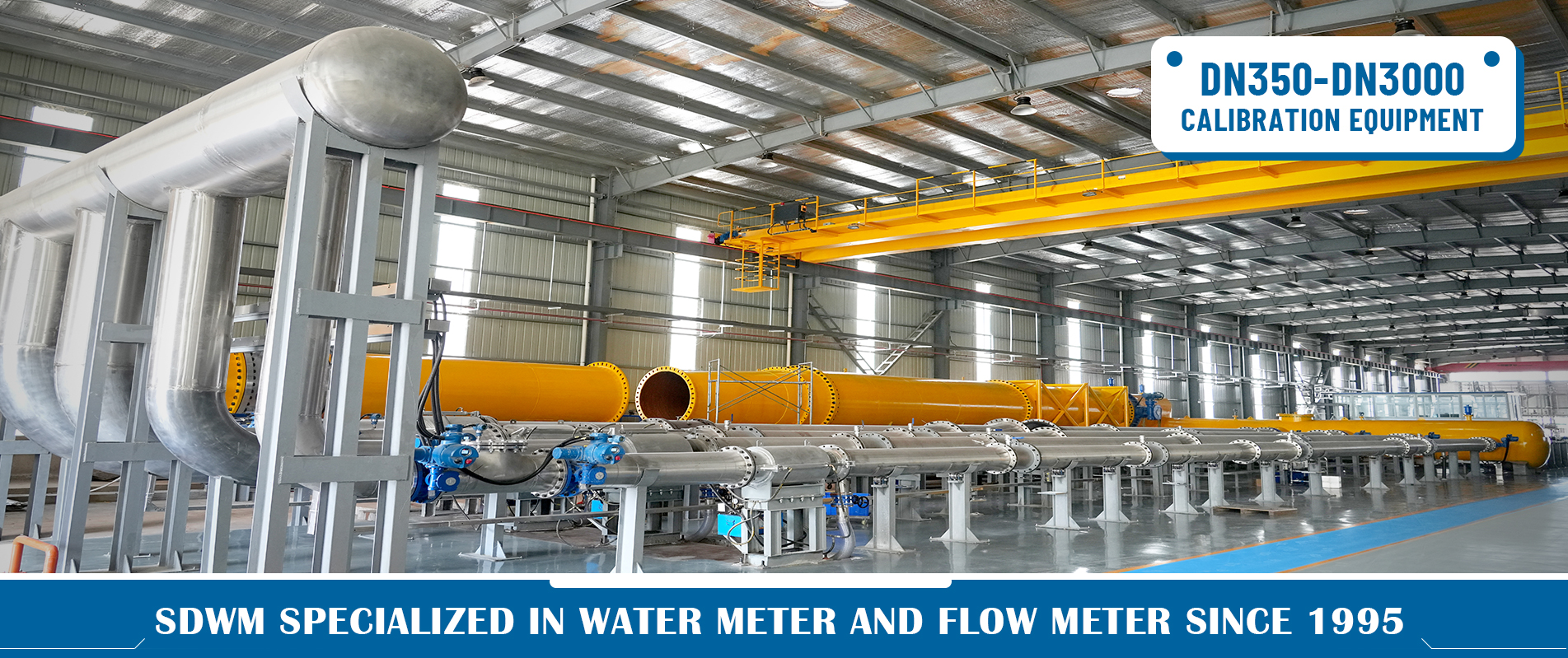
Shengda Water Meter Co., Ltd – manufacturer of smart water metering solutions.
What a Long-Term Smart Water Meter Supply Partnership Requires
Long-term smart water meter distribution is not a one-time purchase. It requires consistent product availability, stable quality, responsive technical support, and a manufacturer that can grow with your project pipeline.
An effective partnership typically includes clear communication channels, pre-shipment quality verification, and a supplier that understands both the product and the end-user application. The buyer needs confidence that every shipment will meet the same specifications, certifications, and performance levels.
For distributors, this also means access to accurate product documentation, samples, and a straightforward process for handling replacements, spare parts, or technical questions that arise after delivery.
Smart Water Meter Market Context in 2026
The global smart water meters market was valued at USD 9.1 billion in 2024 and is projected to reach USD 16.2 billion by 2030. Asia Pacific is the fastest-growing region, driven by urbanization in China and India. For distributors, this translates into growing demand for residential meters, commercial meters, and communication-ready smart metering solutions.
Advanced Metering Infrastructure (AMI) technology held a 58.9% share of the smart water meter market in 2024, and the residential segment accounted for 67.2% of adoption. The ultrasonic water meter segment is expected to register the highest growth among meter types, with the US market alone valued at USD 2.98 billion in 2024.
These trends suggest that distributors should build product lines that include both cost-effective multijet meters and higher-value ultrasonic or communication-enabled meters. The NB-IoT smart water meter market is projected to grow from USD 2.22 billion in 2025 to USD 10.22 billion by 2034, reinforcing the importance of network-ready metering technology.
Distributor-Focused Product Ecosystem: What a Supplier Should Offer
A manufacturer that serves distributors well should offer a broad enough portfolio to cover different projects: residential, commercial, industrial, and utility-scale. A narrow single-product line forces distributors to work with multiple suppliers, which complicates logistics, warranty management, and account administration.
Shengda Water Meter Co., Ltd (SDWM), established in 1995, manufactures a wide range of metering products including smart water meters, ultrasonic water meters, LoRaWAN water meters, prepaid water meters, electromagnetic flow meters, and magnetic flow meters. The company operates a 66,000 m² factory with an annual output of 3 million units and employs a team of 12 R&D engineers.
This range matters for distribution. A single partner can supply meters for residential apartments, industrial plants, and large-diameter network applications, simplifying sourcing and after-sales coordination.
Technology Options That Matter for Distribution
Different markets and utilities prefer different communication and billing technologies. A distributor-friendly manufacturer should support the most common options:
- LoRaWAN smart water meters – The LXSY Smart LoRaWAN water meter has a battery life of up to 10 years and a communication distance that can reach several kilometers depending on the environment. It supports frequency bands such as EU868, US915, AS923, and AU915.
- NB-IoT water meters – The NB-IoT smart water meter includes an early warning system for battery undervoltage and abnormal metering alarm, with a battery life of more than 6 years. The accompanying software is supplied for free.
- 4G water meters – The maximum working pressure of this 4G water meter is PN16, supporting direct cellular communication in areas without LoRaWAN or NB-IoT coverage.
- M-Bus and RS485 water meters – The RS485 water meter, model LXSY, is designed for industrial water management and irrigation applications. It supports RS485 Modbus RTU communication and can be integrated with PLC, SCADA, AMR/AMI systems, and various water management platforms. The M-Bus interface complies with the EN 13757 M-Bus Protocol.
- Prepaid and STS prepaid meters – The LXSK prepaid water meter is available in nominal diameters from DN15 to DN300 and has an IP68 protection level. The prepaid water meter operates at a working voltage of 3.6V ± 0.6V with a quiescent current of ≤10 μA, and can support up to 8 years of battery life.
- Ultrasonic water meters – The smart ultrasonic water meter uses advanced ultrasonic transit-time technology with no moving parts, providing high accuracy and long-term stable performance.
Having multiple communication options in one factory means fewer supplier qualifications, easier spare parts management, and more flexibility when bidding on different utility projects.
How to Evaluate a Smart Water Meter Manufacturer for Long-Term Distribution
Distributors should evaluate manufacturers using a structured set of criteria. These criteria go beyond the sample unit and examine whether the supplier can sustain quality and delivery over multiple years.
Production Capacity and Scale
A manufacturer with a larger factory and demonstrated annual output is more likely to handle volume spikes and multi-project orders. Shengda Water Meter built a new factory in 2020 with an annual production capacity of 3 million units. The company has 100–200 employees and exports approximately 50% of its production to markets including the USA, South America, Africa, and Southeast Asia.
The company profile states that more than 65% of business comes from repeat customers. For a distributor evaluating a partner, repeat-customer ratio is a useful signal of reliability and post-sale support.
Certifications and Standards Compliance
Certifications determine whether meters can legally enter certain markets. For example, smart water meters in the European Economic Area must comply with EU Directive 2014/32/EU (MID) and EN 14154-4:2023 for legal metrology.
Shengda Water Meter is certified with ISO9001, ISO14001, and ISO45001, and its products have obtained CE, MID, and ISO4064 certifications. ISO 4064 is the key international standard for water meters for cold potable water and hot water. A supplier with these certifications simplifies market entry for the distributor.
Quality Control and Risk Control Systems
Quality consistency across shipments is the foundation of a long-term relationship. A manufacturer with documented risk-control measures is easier to audit and more predictable in production.
Key risk-control measures found in SDWM's manufacturing process include: 100% calibration and accuracy testing before shipment, pressure and sealing tests, communication verification for LoRaWAN, NB-IoT, 4G, and M-Bus modules before delivery, and IP68 waterproof protection testing to ensure operation in flooded or outdoor installations.
Measurement accuracy risk is addressed through high-precision calibration; leakage risk is controlled through pressure and waterproof tests; communication failure risk is managed through pre-delivery communication verification; environmental risk is reduced through IP68 waterproof protection; corrosion risk is reduced through the use of stainless steel, brass, or epoxy-coated components for harsh environments.
Model Range and Spare Parts Availability
Long-term distribution depends on the ability to supply the right meter for each project. SDWM's range covers:
- LXSG multijet water meters – DN15 to DN50, plastic body, optional flow ratios R80/R100/R160/R200, temperature ratings T30/T50/T90, communication options including pulse output, M-Bus, RS485, LoRaWAN, and NB-IoT, optional remote shut-off valve.
- LXSC LoRaWAN ultrasonic water meters – nominal diameters from DN15 to DN600.
- LXSY smart ultrasonic water meters – battery life up to 10 years, IP68, working temperature of -20°C to +60°C.
- LXLC/WPH Woltman water meters – nominal diameter range DN50 to DN600, communication options including pulse output, M-Bus, RS485, LoRaWAN, or NB-IoT, optional remote shut-off valve.
- LXSK prepaid water meters – DN15 to DN300, IP68 protection level.
- R160 water meters – working pressure PN10 or PN16, temperature ratings T30/T50/T90, ISO 4064 compliant.
- Plastic water meters – support water temperatures T30, T50, and T90, working pressure PN10 or PN16.
- RS485 water meters – industrial water management and irrigation, RS485 Modbus RTU, IP68, available in brass, stainless steel, or composite materials.
This breadth enables a distributor to handle multiple tender requirements without onboarding a dozen manufacturers.
Use Cases: How Distribution Partners Sell Smart Water Meters
Residential Utility Programs
For residential remote reading projects, distributors often lead with multijet meters or smart ultrasonic meters. The LXSG multijet water meter is a cost-effective residential solution with optional communication modules including LoRaWAN, NB-IoT, M-Bus, or RS485. It supports optional remote shut-off valve control, which is attractive for utilities managing payment collections or emergency disconnections.
The multijet meter provides stable measurement and long-term accuracy due to balanced water flow distribution around the impeller. Since it requires low maintenance, it reduces the utility's operating cost over a 10-year horizon.
Municipal AMR/AMI Rollouts
When a municipal utility wants to shift from manual reading to AMR/AMI, distributors need meters that support remote reading and integrate with the utility's software platform. The LoRaWAN ultrasonic water meter (LXSC) covers DN15 to DN600, making it suitable for both residential and bulk metering points within one AMI network.
The NB-IoT smart water meter offers early warning alarms for battery undervoltage and abnormal metering, plus remote reading and remote valve control. For projects where battery maintenance is expensive, the smart LoRaWAN meter's battery life of up to 10 years is a strong selling point.
Prepaid Billing Projects in Emerging Markets
Prepaid water metering is common in markets that need to reduce non-revenue water and improve collection rates. The LXSK prepaid water meter supports nominal diameters DN15 to DN300, IP68 protection, and multiple communication options. STS (Standard Transfer Specification) is the globally recognized security standard for prepaid water meter encryption systems, and distributors should verify that their prepaid meters comply with STS requirements (IEC 62055-41/51) when specified by the utility.
For postpaid billing models, the postpaid water meter measures actual water usage and supports monthly or periodic billing based on customer consumption. A distributor that can offer both prepaid and postpaid solutions can respond to a wider range of utility tenders.
Industrial and Irrigation Monitoring
Industrial water management and irrigation require rugged meters with industrial communication. The RS485 water meter, model LXSY, supports RS485 Modbus RTU and can be integrated with PLC, SCADA, AMR/AMI systems, and water management platforms. It is available in brass, stainless steel, or composite materials, and has IP68 waterproof protection.
For large-diameter network measurement, the LXLC/WPH Woltman water meter covers DN50 to DN600 and can be equipped with pulse output, M-Bus, RS485, LoRaWAN, or NB-IoT communication. This allows a single distribution partnership to support both small residential meters and large industrial meters.
Comparison: Smart Water Meter Technology Options for Distributors
| Technology / Model | Typical Application | Communication | Diameter Range | Battery Life | Key Feature |
|---|---|---|---|---|---|
| LXSG Multijet | Residential metering | Pulse, M-Bus, RS485, LoRaWAN, NB-IoT | DN15–DN50 | Not specified | Low maintenance, optional remote shut-off valve |
| LXSY Smart Ultrasonic | Residential / commercial | LoRaWAN, NB-IoT, 4G, M-Bus, RS485 | DN15–DN40 (10 yr battery); DN50–DN500 (6–8 yr) | Up to 10 years | No moving parts, high accuracy |
| LXSC LoRaWAN Ultrasonic | Municipal AMI / bulk metering | LoRaWAN | DN15–DN600 | Not specified | Large-diameter ultrasonic coverage |
| NB-IoT Smart Meter | Remote reading / AMI | NB-IoT | Not specified | >6 years | Battery undervoltage alarm, abnormal metering alarm |
| LXSK Prepaid Meter | Prepaid billing | Not specified | DN15–DN300 | Up to 8 years | IP68, prepaid + postpaid configurations |
| LXLC/WPH Woltman | Industrial / large network | Pulse, M-Bus, RS485, LoRaWAN, NB-IoT | DN50–DN600 | Not specified | Large-diameter flow measurement |
| RS485 Meter (LXSY) | Industrial / irrigation | RS485 Modbus RTU | Not specified | Not specified | PLC/SCADA/AMR-AMI integration |
Table: Smart water meter technology options commonly needed by distributors. Specifications are based on SDWM product data.
Step-by-Step: Launching a Smart Water Meter Distribution Relationship
A structured onboarding process helps both parties align on product, quality, and commercial terms before the first order.
- Define target market and meter portfolio. Identify the communication protocols and meter types that your local utilities or installers require. Prepare a list of target models (e.g., LoRaWAN ultrasonic, NB-IoT, prepaid).
- Request product samples. SDWM's procurement terms support sample orders with an MOQ of 3–5 samples. Testing samples locally confirms frequency bands, billing software integration, and installation compatibility.
- Verify certifications and documentation. Ask for CE, MID, ISO4064, ISO9001, ISO14001, ISO45001 certificates and the supporting test reports. This step protects your market access.
- Align commercial terms. SDWM supports FOB, CIF, EXW, and DDP delivery methods, with payment terms of 30/70 T/T. Pre-shipment testing is the default acceptance method.
- Run a pilot order. Start with a small series order to evaluate production consistency, packaging quality, and lead time before scaling.
- Set up after-sales workflow. Establish a clear channel for technical questions, spare parts, warranty claims, and firmware or software support.
- Scale by project. Once the first pilot is verified, plan volume orders around tender pipelines and seasonal installation cycles.
Why a Single Long-Term Supplier Reduces Distributor Risk
Distributors face several risks when using multiple small suppliers: inconsistent quality, delayed shipments, incompatible communication protocols, and difficulty obtaining replacement parts after installation. A single manufacturer that controls production, calibration, and pre-shipment testing can reduce these risks.
Shengda Water Meter addresses communication failure risk through pre-delivery communication verification. LoRaWAN, NB-IoT, 4G, and M-Bus communication is verified before shipment, and wireless and wired meter interfaces are tested during production. For a distributor, this reduces the probability of field communication failures and costly site visits.
The company also uses encryption technology for data security, supports secure data transmission, and performs 100% calibration and accuracy testing before every shipment. Pressure and sealing tests control leakage risk, while IP68 waterproof protection ensures operation in flooded or outdoor installations.
For environmentally harsh markets, corrosion-resistant materials such as stainless steel, brass, or epoxy-coated components are available, extending meter life in coastal or industrial regions.
Understanding Certifications for Long-Term Compliance
Certifications are not just stickers; they determine whether meters can legally be installed in a market. Distributors should map their target countries' legal metrology requirements before signing a framework agreement.
Key standards include: ISO 4064 for cold potable water and hot water meters; MID 2014/32/EU for legal metrology in the European Economic Area; EN 14154-4:2023 for additional functionalities in water meters; and STS (IEC 62055-41/51) for prepaid meter encryption security.
SDWM can supply meters that meet CE, MID, and ISO4064 requirements. The company is also certified under ISO9001, ISO14001, and ISO45001. Distributors should always confirm the exact certificate scope and validity with the supplier before bidding on regulated projects.
Frequently Asked Questions
Does SDWM support both prepaid and postpaid water meter programs?
Yes. The LXSK prepaid water meter is available in nominal diameters from DN15 to DN300 with IP68 protection, and the prepaid system supports working voltage of 3.6V ± 0.6V with battery life up to 8 years. The postpaid water meter measures actual consumption for monthly or periodic billing. This allows distributors to respond to both collection-first prepaid utilities and standard postpaid billing programs.
Which communication options can SDWM provide for remote reading projects?
SDWM supports LoRaWAN, NB-IoT, 4G, M-Bus, and RS485 communication. The LXSY Smart LoRaWAN water meter supports frequency bands EU868, US915, AS923, and AU915 with battery life up to 10 years. The NB-IoT meter offers battery life beyond 6 years with undervoltage alarms. The RS485 meter integrates with PLC, SCADA, AMR/AMI systems. All communication modules are verified before delivery to reduce field failure risk.
What are the sample and order terms for new distributors?
Sample orders are accepted with an MOQ of 3–5 units. Delivery methods include FOB, CIF, EXW, and DDP. Payment terms are 30/70 T/T, and pre-shipment testing is the standard acceptance procedure. Distributors are encouraged to verify samples locally before scaling to series orders.
How does SDWM control quality and accuracy before shipment?
Every meter undergoes 100% calibration and accuracy testing before leaving the factory. Additional controls include pressure and sealing tests to prevent leakage, IP68 waterproof testing, and communication verification for LoRaWAN, NB-IoT, 4G, and M-Bus modules. These measures are documented in the company's quality assurance process.
Can SDWM support a full tender with residential and industrial meters?
Yes. The product range includes LXSG multijet meters for residential applications, LXSY smart ultrasonic meters for residential and commercial use, LXLC/WPH Woltman meters for DN50–DN600 industrial and network measurement, and RS485 meters for irrigation and industrial water management. A distributor can source multiple meter categories from one qualified manufacturer, reducing supplier management burden.
What is the first step to becoming an SDWM distribution partner?
Contact the SDWM sales team to discuss your target markets, required meter types, and communication protocols. The team can provide product documentation, certification files, and sample terms. A good starting point is to request the company profile and brochures, then define a sample testing plan for your local market.
How to Start the Conversation
Building a long-term smart water meter supply partnership starts with a clear conversation about your market, your project pipeline, and the meter types that fit your portfolio.
Request the SDWM company profile and product documentation.
Download the profile to review factory background, certifications, production capacity, and product scope before your first call.
Download Company ProfileFor sample pricing and lead time, contact: Miranda – admin@henanpanda.com / +86 18603780816
This guide is part of a series on smart water meter sourcing. For a broader overview of meter types and selection criteria, see the Smart Water Meter Guide on this blog.
Have Questions or Need More Details?
Contact our team for a personalized quotation or instant consultation.
Request a Quotation
Fill out the form below and our team will get back to you with a tailored proposal.
WhatsApp Direct Chat
Prefer to chat in real-time? Message us on WhatsApp for instant assistance & quick answers.
- Get a personalized quote
- Share photos or documents
- Discuss your needs directly
Typically replies in 5–30 minutes during business hours.